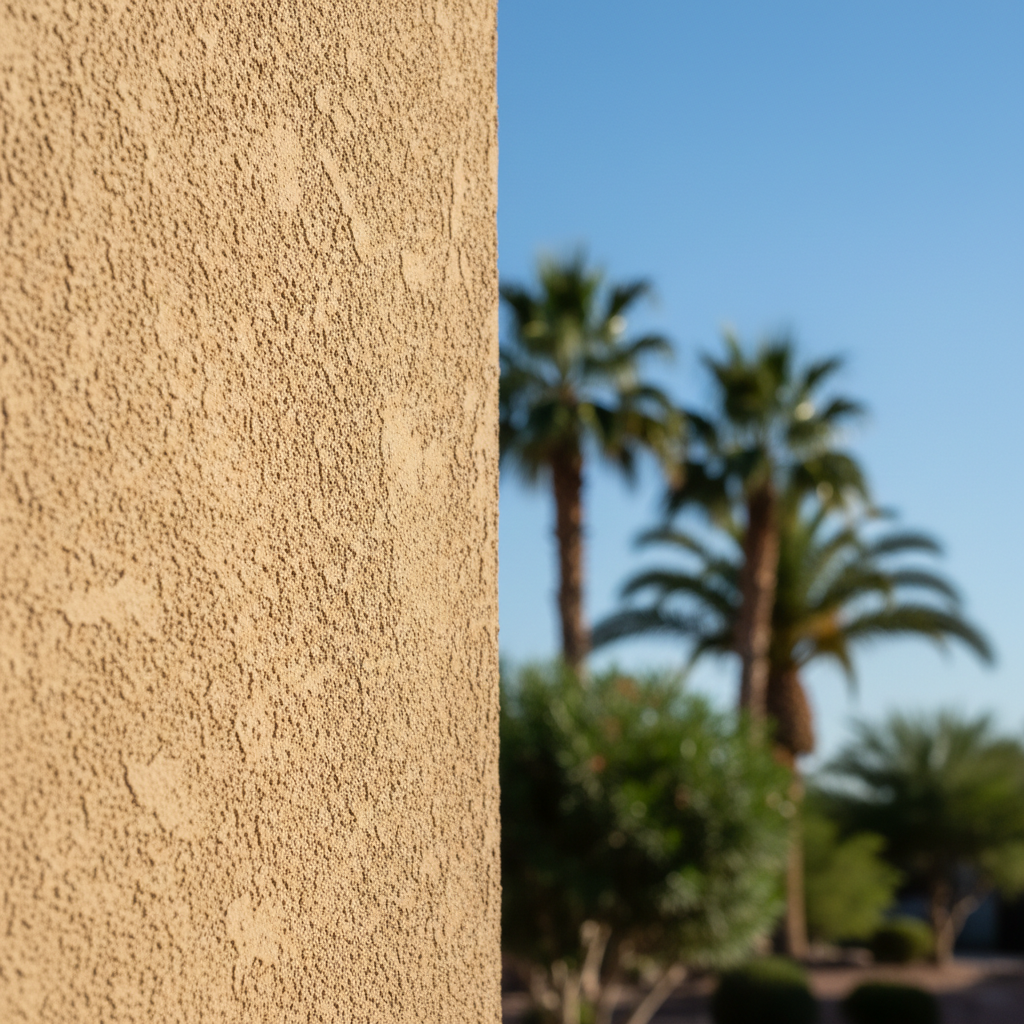
Thinking About EIFS for Your Home?
So, you're looking into EIFS for your place. Maybe you've heard good things about its insulation properties, or maybe you just like the smooth, modern look it can give a house. Either way, it's a smart choice for a lot of homes here in Las Vegas, especially with our scorching summers. But before you jump in, you need to understand what you're getting into. This isn't a weekend DIY paint job, but there are definitely parts of the process you can manage yourself to save a few bucks, and other parts where you absolutely need a pro.
Before You Start: Planning and Prep
First off, let's talk about what EIFS actually is. It stands for Exterior Insulation and Finish System. It's basically a layered system that includes insulation board, a base coat with a reinforcing mesh, and a textured finish coat. It's designed to be energy-efficient and durable. For a homeowner, the 'before' stage is mostly about planning and getting your ducks in a row.
- Research and Permits: You'll need to check with the city or county for any necessary building permits. Don't skip this step; you don't want to get halfway through and have to tear it all down because you didn't get approval. This is something you can definitely handle yourself.
- Inspection: Before anything goes up, you need a solid, clean substrate. That means inspecting your existing walls for any damage, rot, or moisture issues. If you've got old stucco that's failing, or wood siding that's seen better days, those problems need to be fixed first. If you're unsure what you're looking at, a general contractor or even a specialized EIFS contractor like us at Las Vegas Stucco & Plastering can give you an assessment.
- Material Selection: There are different types of EIFS systems. Some are more impact-resistant, some have better drainage. You'll want to choose one that's right for our desert climate and your specific home. This is where a professional's advice really comes in handy. They can explain the pros and cons of each system and help you pick the best one.
- Scaffolding and Safety: You're going to be working at height. Renting proper scaffolding is a must. Don't try to do this from a wobbly ladder. Safety gear – gloves, eye protection, dust masks – is non-negotiable. You can rent scaffolding yourself, but make sure you know how to set it up safely.
During the Project: DIY vs. Pro Hands
Alright, let's get down to the nitty-gritty. What can you realistically do yourself, and what should you leave to the experts?
What You Can Probably DIY (with careful instruction):
- Surface Preparation: Cleaning the existing walls, removing loose debris, and making minor repairs to the substrate. This is grunt work, but it's crucial.
- Insulation Board Installation (with caveats): If you're meticulous and have a good eye for level, you *might* be able to attach the insulation boards. They need to be perfectly aligned, tightly butted, and properly fastened (mechanically or with adhesive, depending on the system). Any gaps or unevenness will show through the finish. This is where things start getting tricky.
- Masking and Protection: Taping off windows, doors, and anything you don't want EIFS on. This is tedious but straightforward.
Where You Absolutely Need a Pro:
- Base Coat and Mesh Application: This is the structural backbone of the EIFS. The base coat needs to be applied at a consistent thickness, and the reinforcing mesh embedded perfectly within it. If this isn't done right, you'll get cracks, delamination, and moisture problems down the line. It's a precise, skilled job that takes experience.
- Finish Coat Application: The finish coat is what everyone sees. It's textured, colored, and needs to be applied evenly and consistently across the entire surface. Any amateur attempt here will result in blotches, uneven textures, and a finish that looks anything but professional. Trust me, you'll regret trying to DIY this part. The hot Las Vegas sun can make the working time for these materials incredibly short, adding another layer of difficulty for an inexperienced hand.
- Detailing Around Openings: Windows, doors, and other penetrations need special attention to prevent water intrusion. Flashing, sealants, and proper termination of the EIFS layers around these areas are critical. This is a common failure point if not done by someone who knows what they're doing.
- System Knowledge: A professional EIFS contractor understands the entire system, its components, and how they interact. They know the right products for our specific climate challenges, like the intense UV exposure and rapid temperature swings we get out here in places like Summerlin.
After the Project: Maintenance and Longevity
Once the EIFS is installed, you're not entirely off the hook, but the hard part is over. EIFS is pretty low maintenance, which is one of its big selling points. Your main job is to keep an eye on it.
- Regular Cleaning: Just like any exterior, it'll get dirty. A gentle wash with a hose and a soft brush can keep it looking good. Don't use a high-pressure washer; you can damage the finish.
- Inspect for Damage: Walk around your house periodically. Look for any cracks, impact damage, or areas where the finish might be peeling or bubbling. If you see anything concerning, address it quickly. Small repairs are much easier and cheaper than big ones.
- Sealant Checks: Pay attention to the sealant around windows, doors, and where the EIFS meets other materials. These sealants are your first line of defense against water. If they're cracking or pulling away, they need to be re-caulked.
Ultimately, EIFS is a fantastic system for our desert homes, offering great energy efficiency and a clean look. While you can handle some of the initial grunt work, the core installation – especially the base coat, mesh, and finish – is a job best left to experienced professionals. Trying to save a buck on those critical steps usually ends up costing you a lot more in repairs down the road. If you're serious about EIFS, give a local expert a call. We're happy to talk you through it.