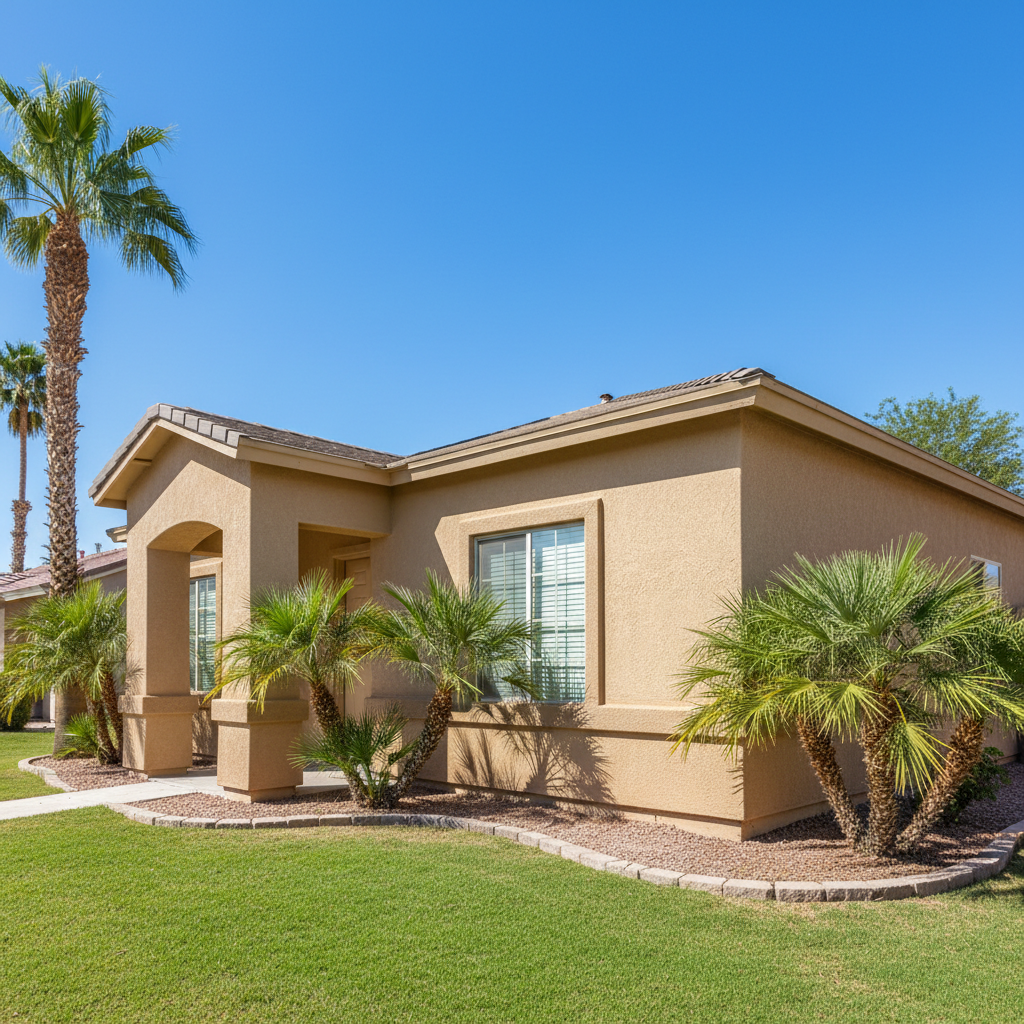
You're looking to put new stucco on your house, or maybe you're building new and weighing your options. The first thing on your mind is probably, "How much is this going to cost me?" It's a fair question, and frankly, a lot of contractors aren't upfront enough about it. Here in Las Vegas, stucco is king for a reason – it handles our brutal summers and keeps things looking sharp. But the price tag can vary a lot, so let's break it down.
What Drives Stucco Installation Costs?
There isn't a one-size-fits-all answer, but I can tell you the main things that move the needle on your final bill. Understanding these will help you make sense of any quote you get.
Size of the Job: This is obvious, right? More square footage means more materials and more labor. A small patch job is going to be way different than re-stuccoing an entire 3,000 sq ft house.
Type of Stucco System: You've got your traditional three-coat stucco, which is durable and what most people think of. Then there's synthetic stucco, or EIFS (Exterior Insulation and Finish System), which offers better insulation but can be a bit more complex to install correctly. Traditional three-coat is usually around $7-$10 per square foot for materials and labor, while EIFS can jump to $9-$15 per square foot. We mostly do traditional here at Las Vegas Stucco & Plastering because it holds up so well to our dry climate.
Condition of the Existing Surface: If we're tearing off old, damaged stucco, or if there's significant prep work needed on the sheathing underneath, that's extra time and material. A clean, new build is simpler than a full re-stucco on an older home with crumbling plaster.
Architectural Complexity: A flat, boxy house is easier and faster to stucco than one with lots of corners, arches, columns, or intricate details. Every bump, curve, or cut adds labor. Think about a custom home in Summerlin versus a tract home in Henderson – the custom job will always cost more per square foot due to complexity.
Scaffolding Needs: If your house is two or three stories high, or has difficult-to-reach areas, we'll need scaffolding. That's not cheap to rent, set up, and take down, and it adds to the overall labor time.
Color and Finish: A basic, standard color and smooth finish will be on the lower end. If you want custom colors, special textures like a Santa Fe or a dash finish, or integrated color (which is mixed into the stucco itself, not just painted on), expect to pay a bit more. Integrated color is worth it, though, because it won't chip or fade like paint.
Typical Cost Ranges in Las Vegas
Alright, let's talk numbers. For a full stucco installation on an average single-story home (say, 1,500-2,500 sq ft) with a standard three-coat system and a basic finish, you're generally looking at:
New Construction: $7 - $10 per square foot. This is often the most straightforward.
Re-stucco (over existing, good condition stucco): $8 - $12 per square foot. This involves preparing the old surface, maybe some minor repairs, and then applying new layers.
Full Tear-off and Re-stucco: $10 - $15+ per square foot. This is the most involved, as we have to remove all the old material, inspect the substrate, make any necessary repairs, and then start fresh. If there's mold or severe water damage underneath, that cost can climb even higher.
So, for a 2,000 sq ft house, a full tear-off and re-stucco could run you anywhere from $20,000 to $30,000 or more. These are general ranges, of course, and your specific project will have its own unique factors.
What Should a Quote Include?
When you get a quote, don't just look at the bottom line. A good, transparent quote from a reputable company like Las Vegas Stucco & Plastering should clearly itemize:
Materials: Lath, scratch coat, brown coat, finish coat, any specialized primers or sealers.
Labor: Hours estimated for prep, application, cleanup.
Permits: Yes, you need permits for major stucco work here in Clark County. A good contractor handles this.
Prep Work: This includes things like masking windows, doors, and other surfaces, and any necessary repairs to the existing substrate.
Cleanup and Debris Removal: You don't want to be stuck with a pile of old stucco in your yard.
Warranty Information: What's covered and for how long?
How to Avoid Overpaying (or Underpaying for Trouble)
Don't just go with the cheapest bid. I've seen too many homeowners regret that. The lowest price often means shortcuts, inexperienced labor, or cheap materials, and that'll cost you more in repairs down the road. Here's what I recommend:
Get Multiple Bids: Three is a good number. Make sure they're all quoting the same scope of work.
Check References and Reviews: See what other people say about their work and professionalism.
Verify Licenses and Insurance: This is non-negotiable. Don't let anyone work on your house without proper licensing and insurance.
Ask About the Process: A good contractor will explain their steps, from prep to finish, and answer all your questions.
Don't Pay in Full Upfront: A reasonable down payment is fine, but tie payments to project milestones, not just time. That protects you.
Getting new stucco is a big investment, but it's one that protects your home and boosts its curb appeal. Do your homework, ask the right questions, and you'll get a beautiful, long-lasting finish that adds real value.