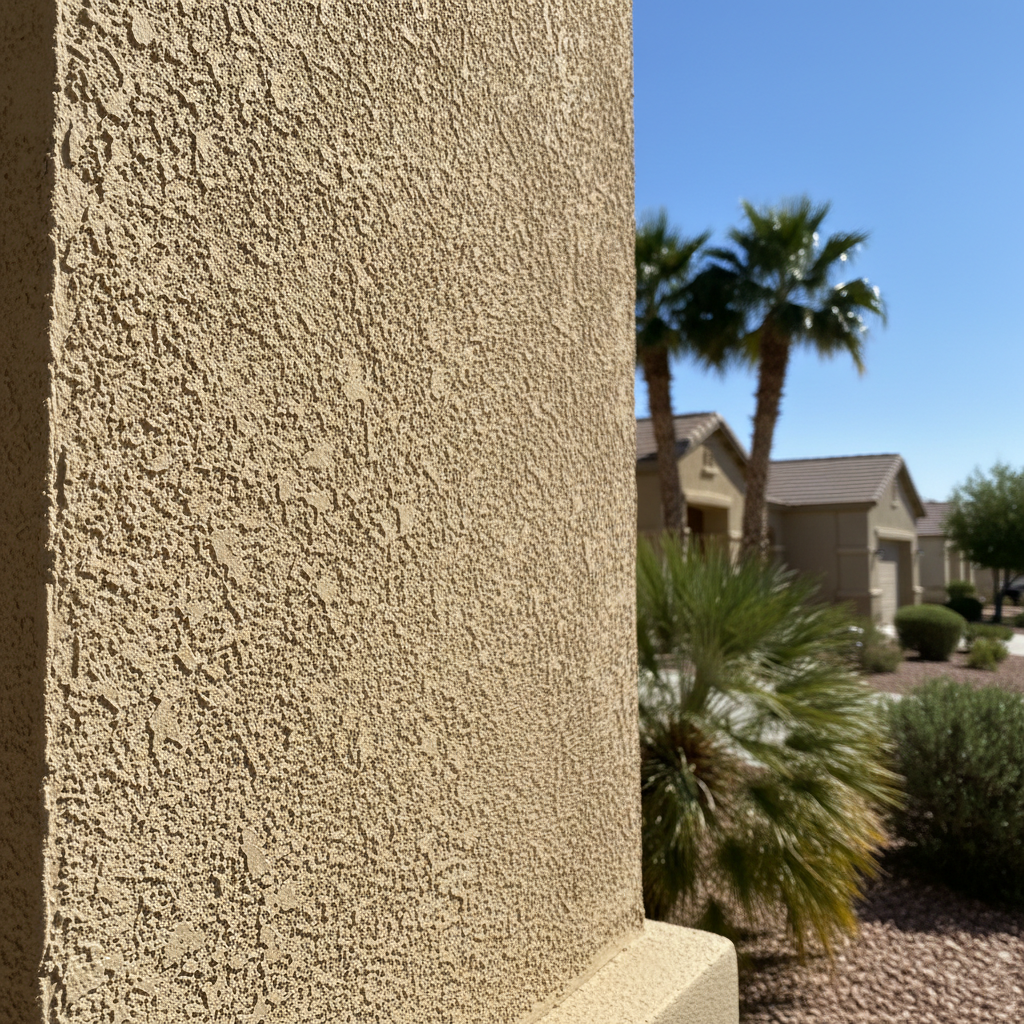
You're probably wondering if painting your stucco is even worth it, or if it's just a waste of money. I get it. Painting stucco is a big job, especially out here in Las Vegas where the sun can be brutal. But done right, it's one of the best ways to protect your home and boost its curb appeal. I've been doing this for years with Las Vegas Stucco & Plastering, and I’ve heard just about every question in the book. Let's tackle the most common ones you've got.
Do I really need to paint my stucco, or can I just leave it?
Look, stucco is tough, it's designed to last. But it's not invincible. Over time, especially with our intense sun and occasional dust storms here in the Valley, stucco can start to show its age. You'll see fading, maybe some hairline cracks, and it can just look tired. Painting isn't just about making it pretty; it's about adding another layer of protection. Good quality paint acts like a shield against UV rays, moisture, and even minor impacts. It helps seal those tiny cracks before they become bigger problems. So, while you can leave it, painting extends its life and keeps your home looking sharp.
What's the best type of paint for stucco in our Las Vegas climate?
This isn't a job for cheap, interior latex paint, I'll tell you that much. You need something specifically designed for exterior masonry. My go-to is usually a high-quality acrylic latex paint. Why acrylic? It's flexible, which is key for stucco. Stucco expands and contracts with our wild temperature swings — from scorching summers to chilly desert nights. Acrylic paint can handle that movement without cracking. It also breathes, letting any trapped moisture escape, which prevents bubbling or peeling. Look for paints labeled 'elastomeric' or '100% acrylic exterior' with good UV resistance. They cost a bit more upfront, but they'll last a lot longer under our sun.
How important is prep work? Can't I just power wash and paint?
Prep work is probably 70% of the job, maybe more. If you skip it or do a shoddy job, your paint won't stick, it'll peel, and you'll be repainting in a couple of years. It's not just power washing, though that's a good start to remove dirt and loose debris. You need to inspect every inch of that stucco. Are there any cracks? They need to be filled with an elastomeric caulk or a stucco patch. Any loose or crumbling stucco? That's gotta be repaired. Mildew or algae? Treat it with a bleach solution. Then, a good primer is essential, especially if you're going from a dark color to a light one, or if the stucco is unpainted. Primer helps the paint adhere better and gives you a more uniform finish. Don't skimp on the prep, seriously.
How often should I expect to repaint my stucco?
If you do the job right with quality materials and proper prep, you should get a good 10 to 15 years out of it. Some premium paints might even push that to 20 years. But here in Las Vegas, factors like direct sun exposure, the quality of the original stucco, and even the color you choose can affect that timeline. Darker colors absorb more heat, which can sometimes lead to faster fading or more stress on the paint film. Lighter colors tend to hold up a bit longer against the sun's intensity. Keep an eye on it; when you start seeing significant fading, chalking (a powdery residue), or minor peeling, it's probably time to start thinking about it again.
Can painting stucco cause problems like trapping moisture?
This is a common concern, and it's a valid one. Stucco needs to breathe. If you use the wrong kind of paint, like an oil-based paint or a non-breathable coating, you absolutely can trap moisture inside the walls. That's a recipe for disaster — mold, mildew, and even structural damage. That's why I always recommend those high-quality acrylic latex paints I talked about earlier. They're designed to be permeable, meaning they allow water vapor to escape from the wall while still repelling liquid water from the outside. As long as you're using the right materials and the stucco is properly prepared and repaired beforehand, you shouldn't have issues with trapped moisture.
What about elastomeric paint? Is it worth the extra cost?
Elastomeric paint is like a super-powered version of acrylic latex for stucco. It's much thicker and more flexible. It's designed to stretch up to several hundred percent of its original size without cracking. This makes it excellent for bridging hairline cracks and providing superior waterproofing. For homes in areas with a lot of ground movement, or older stucco that tends to crack more, elastomeric can be a fantastic choice. It's more expensive, and it's a bit harder to apply because of its thickness, but it offers a higher level of protection and durability. If your stucco has a lot of minor cracking or you want the absolute best protection against the elements, it's definitely worth considering the investment.
Painting your stucco isn't just a cosmetic upgrade; it's an investment in your home's longevity and protection. If you're in Las Vegas and thinking about getting your stucco painted, give us a call at Las Vegas Stucco & Plastering. We're happy to walk you through your options and make sure the job gets done right.